The 72 seasons
Shichijūni-kō — 七十二候. Seventy-two micro-seasons of about five days, named for a change in nature. 72 Seasons follows them from September 2026 to August 2027 with one photograph each.
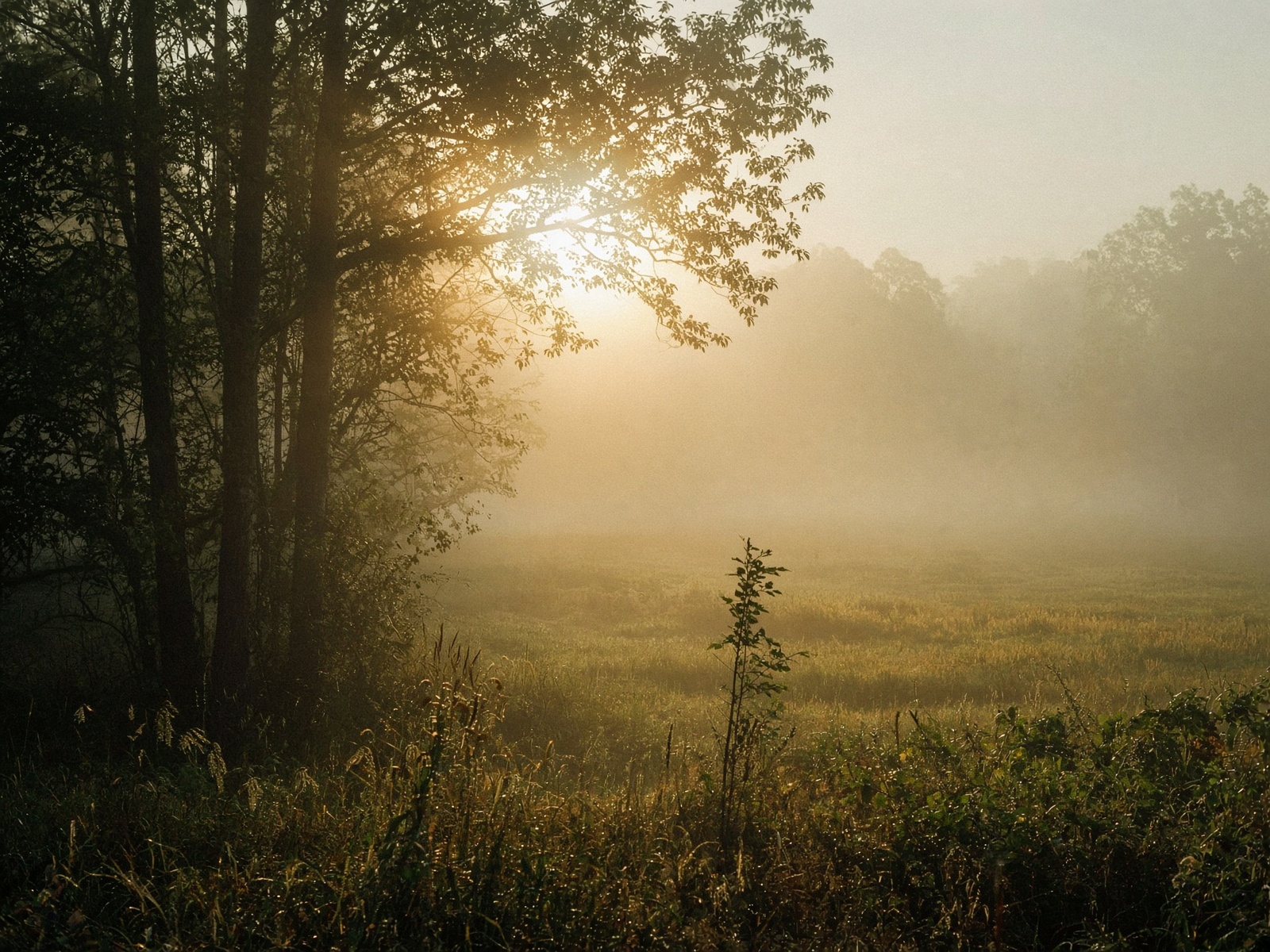
#1 · Feb 4–8 · 東風解凍
The east wind loosens the ice
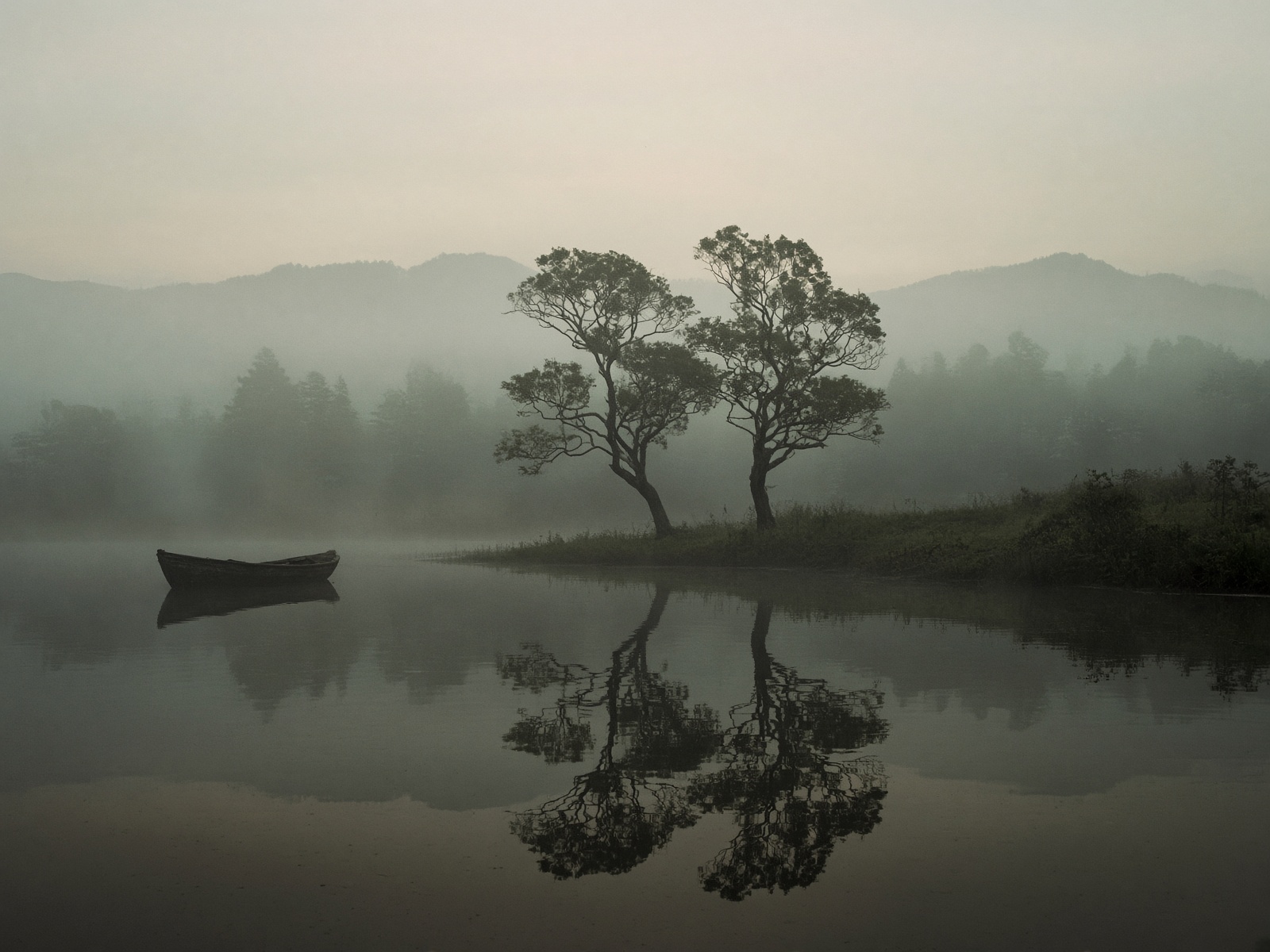
#2 · Feb 9–13 · 黄鶯睍睆
Warblers find their spring song
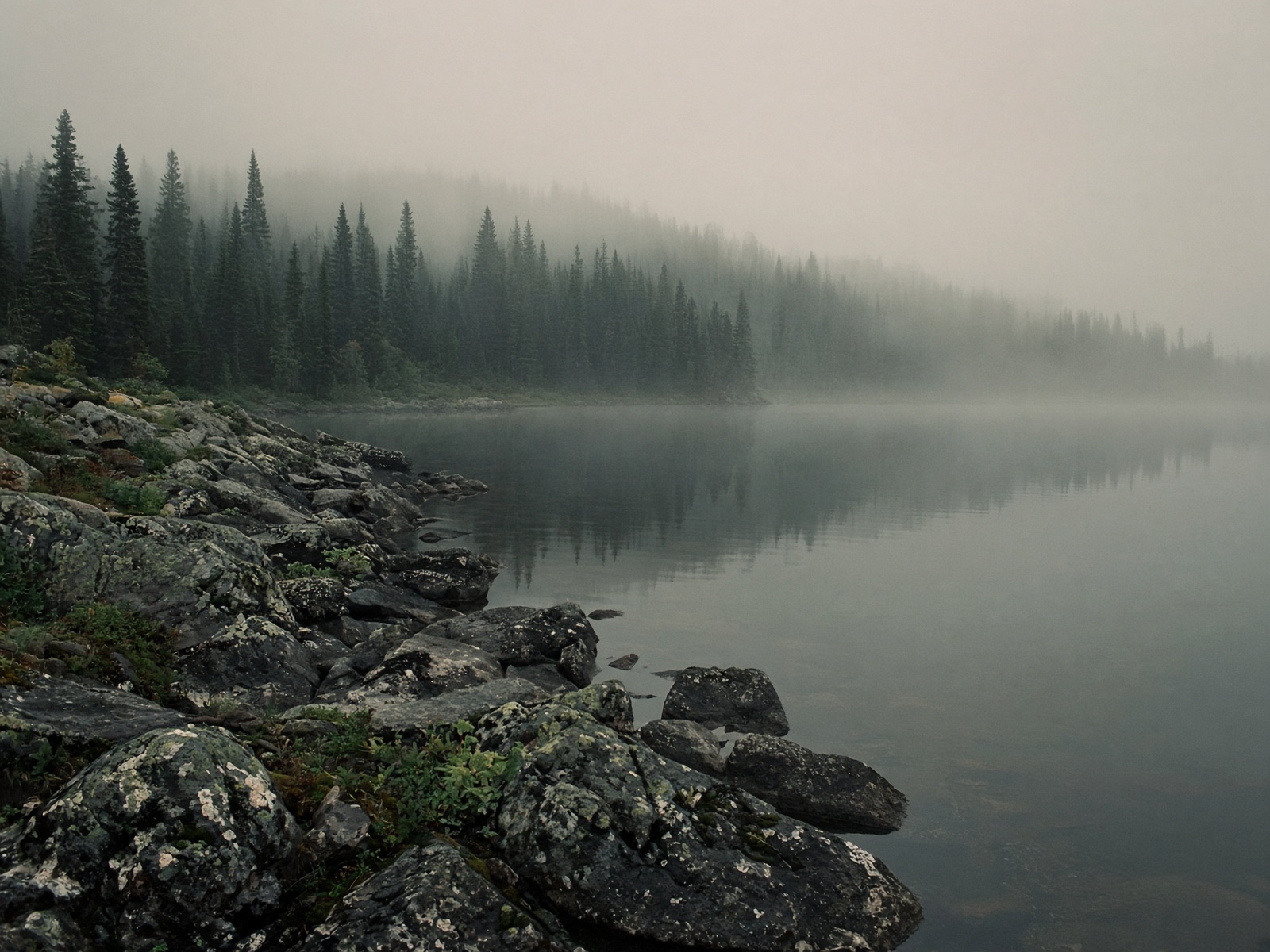
#3 · Feb 14–18 · 魚上氷
Fish rise beneath the thaw
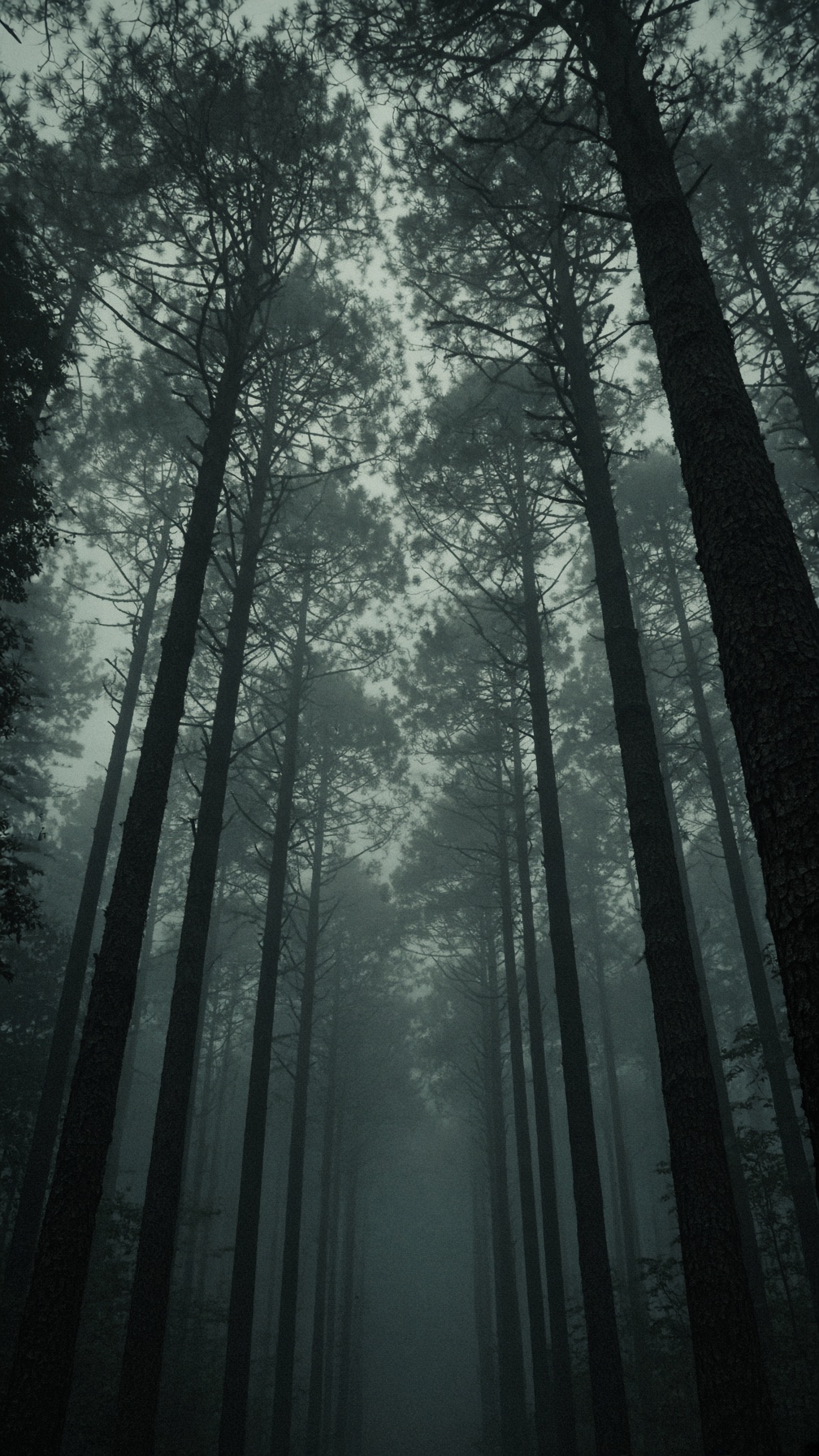
#4 · Feb 19–23 · 土脉潤起
Rain wakes the soil
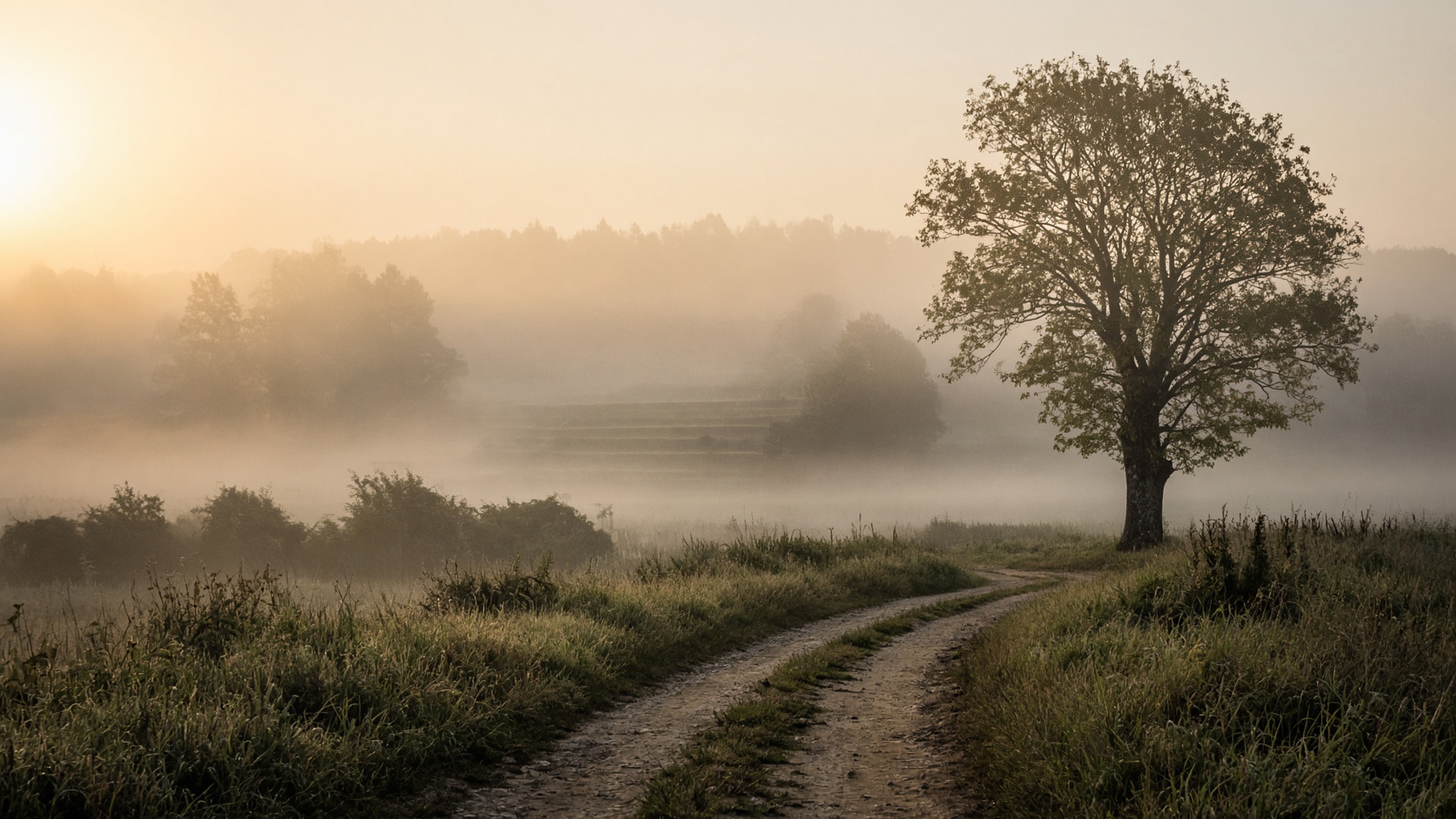
#5 · Feb 24–28 · 霞始靆
Mist begins to linger
#6 · Mar 1–5 · 草木萌動
Green shoots stir
#7 · Mar 6–10 · 蟄虫啓戸
Hidden insects return
#8 · Mar 11–15 · 桃始笑
Peach blossom opens
#9 · Mar 16–20 · 菜虫化蝶
Caterpillars become butterflies
#10 · Mar 21–25 · 雀始巣
Sparrows begin to nest
#11 · Mar 26–30 · 櫻始開
Cherry blossom opens
#12 · Mar 31–Apr 4 · 雷乃発声
Thunder sounds beyond the horizon
#13 · Apr 5–9 · 玄鳥至
The swallows return
#14 · Apr 10–14 · 鴻雁北
Wild geese turn north
#15 · Apr 15–19 · 虹始見
The first rainbow appears
#16 · Apr 20–24 · 葭始生
Reeds push through the water
#17 · Apr 25–29 · 霜止出苗
Frost retreats; seedlings rise
#18 · Apr 30–May 4 · 牡丹華
Peonies unfold
#19 · May 5–9 · 蛙始鳴
Frogs find their voices
#20 · May 10–14 · 蚯蚓出
Earthworms return to the surface
#21 · May 15–20 · 竹笋生
Bamboo shoots break the ground
#22 · May 21–25 · 蚕起食桑
Silkworms feed on mulberry leaves
#23 · May 26–30 · 紅花栄
Safflower comes into bloom
#24 · May 31–Jun 5 · 麦秋至
Wheat turns gold
#25 · Jun 6–10 · 蟷螂生
Praying mantises hatch
#26 · Jun 11–15 · 腐草為螢
Fireflies rise from summer grass
#27 · Jun 16–20 · 梅子黄
Plums turn yellow
#28 · Jun 21–26 · 乃東枯
Self-heal fades
#29 · Jun 27–Jul 1 · 菖蒲華
Irises come into bloom
#30 · Jul 2–6 · 半夏生
Crow-dipper breaks the soil
#31 · Jul 7–11 · 温風至
Warm winds arrive
#32 · Jul 12–16 · 蓮始開
Lotus flowers begin to open
#33 · Jul 17–22 · 鷹乃学習
Young hawks learn the air
#34 · Jul 23–28 · 桐始結花
Paulownia sets its seed
#35 · Jul 29–Aug 2 · 土潤溽暑
Earth holds the summer heat
#36 · Aug 3–7 · 大雨時行
Great rains pass through
#37 · Aug 8–12 · 涼風至
Cool winds return
#38 · Aug 13–17 · 寒蝉鳴
Evening cicadas begin to sing
#39 · Aug 18–22 · 蒙霧升降
Deep fog settles
#40 · Aug 23–27 · 綿柎開
Cotton flowers open
#41 · Aug 28–Sep 1 · 天地始粛
The heat begins to loosen
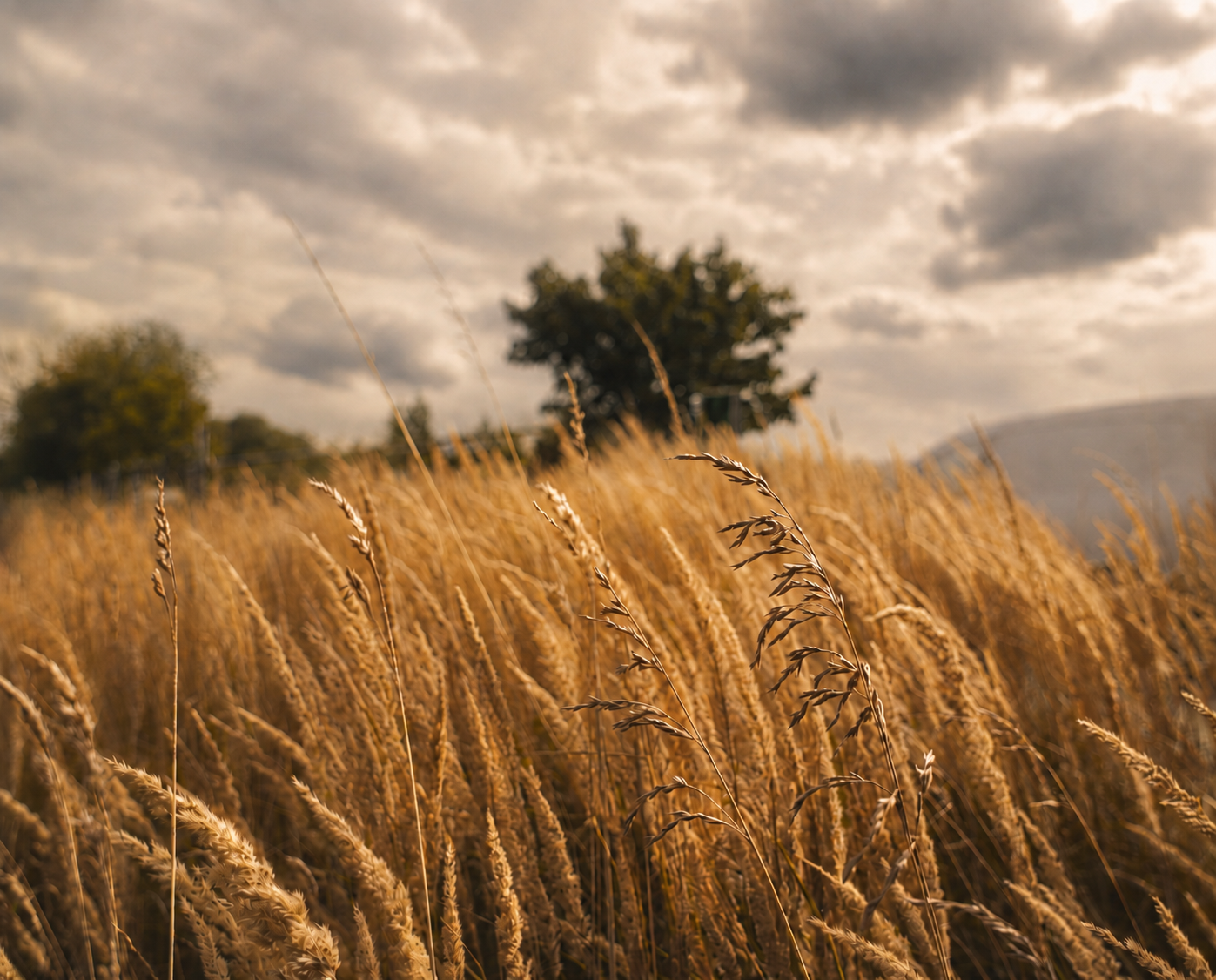
#42 · Sep 2–7 · 禾乃登
The grain ripens
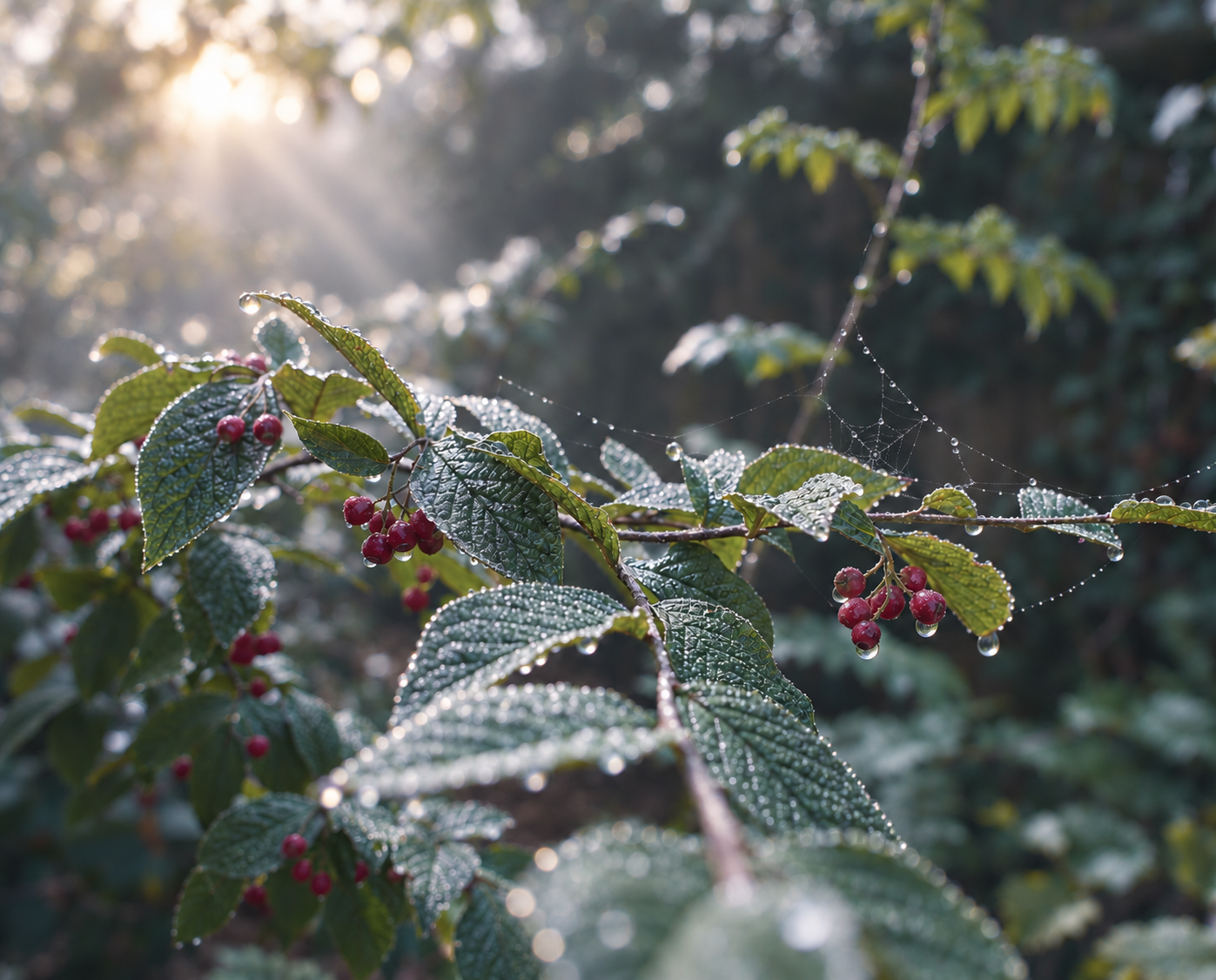
#43 · Sep 8–12 · 草露白
White dew rests on grass
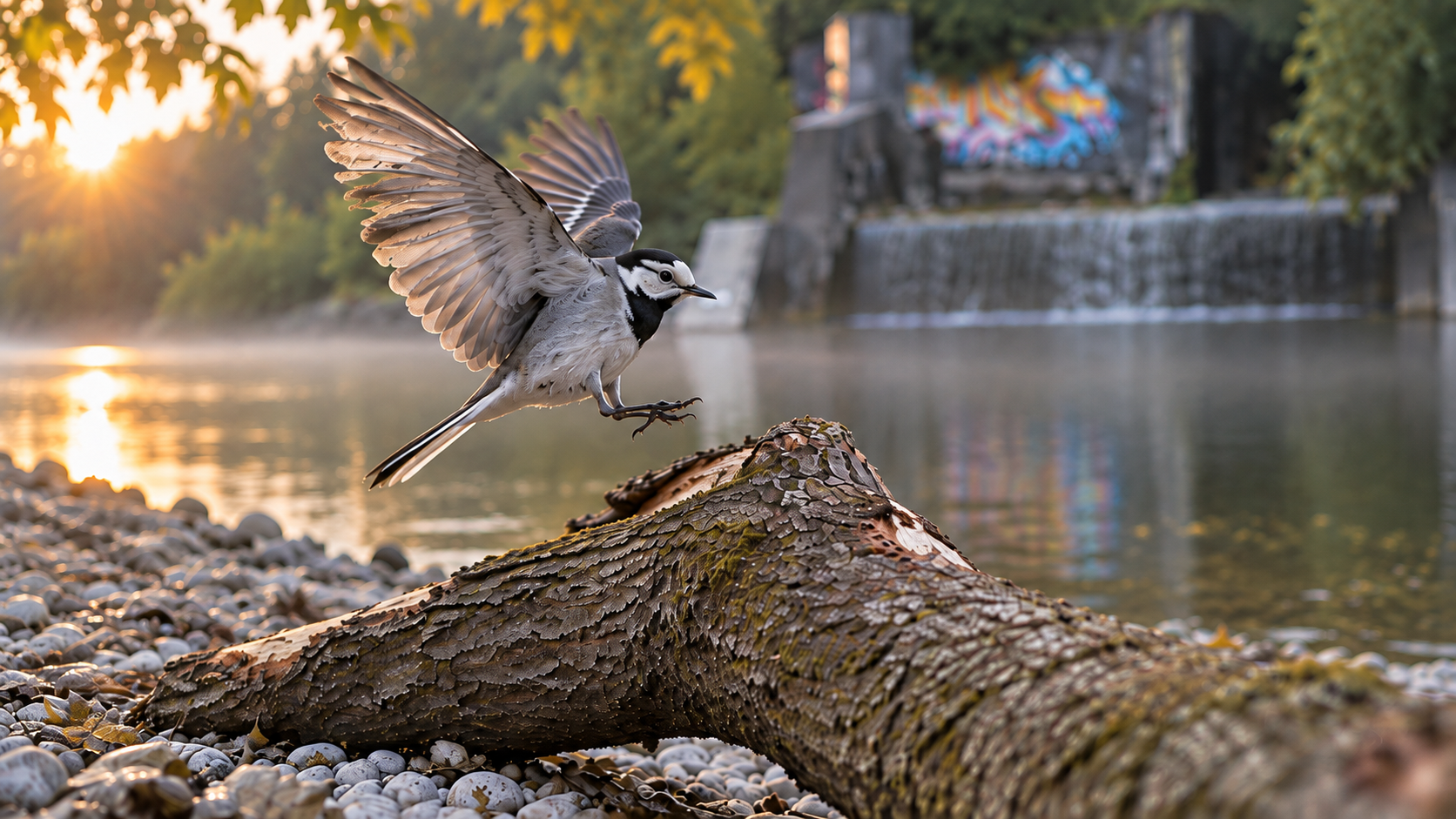
#44 · Sep 13–17 · 鶺鴒鳴
Wagtails call

#45 · Sep 18–22 · 玄鳥去
The swallows depart
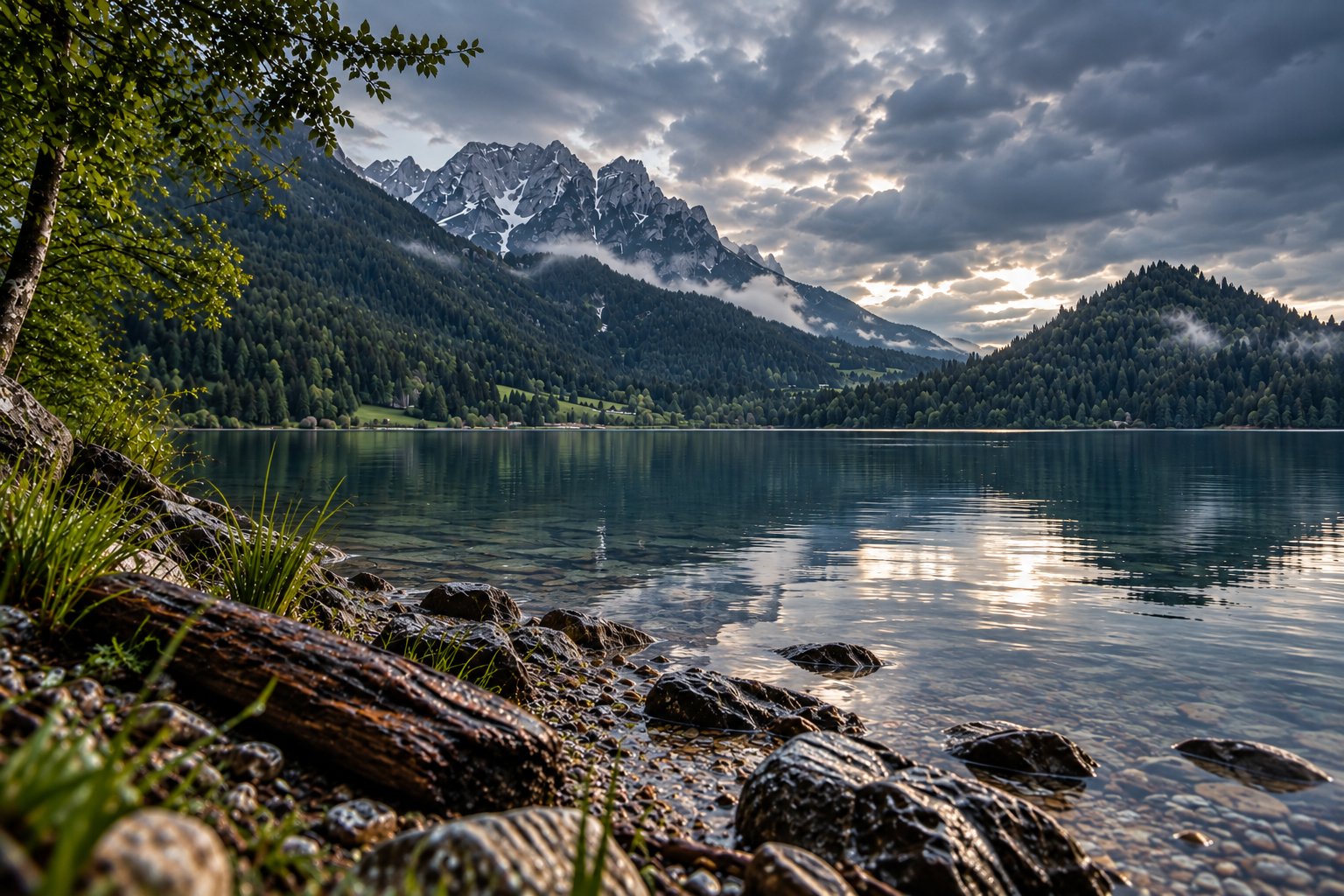
#46 · Sep 23–27 · 雷乃収声
Thunder falls silent
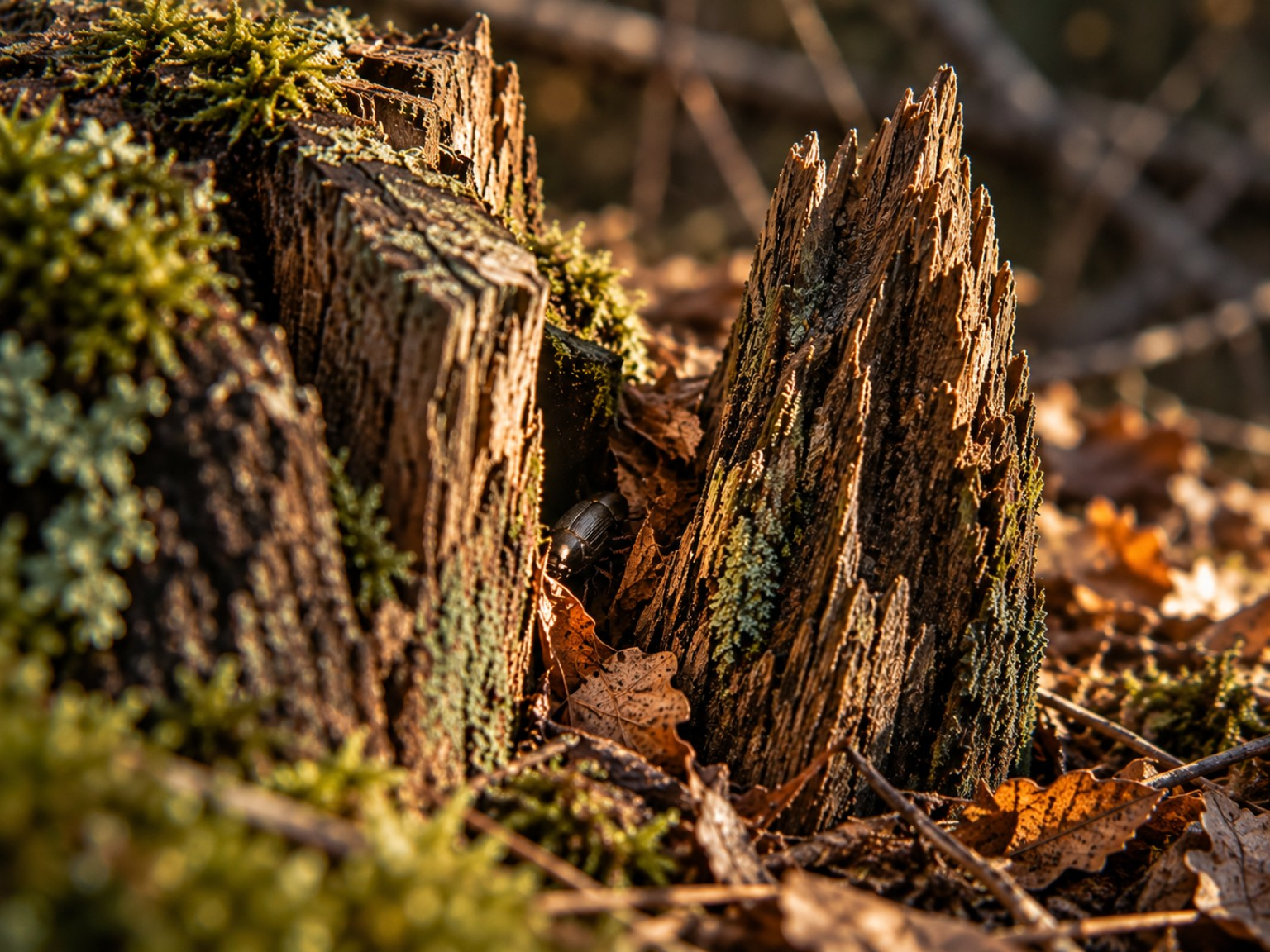
#47 · Sep 28–Oct 2 · 蟄虫坏戸
Insects retreat below ground
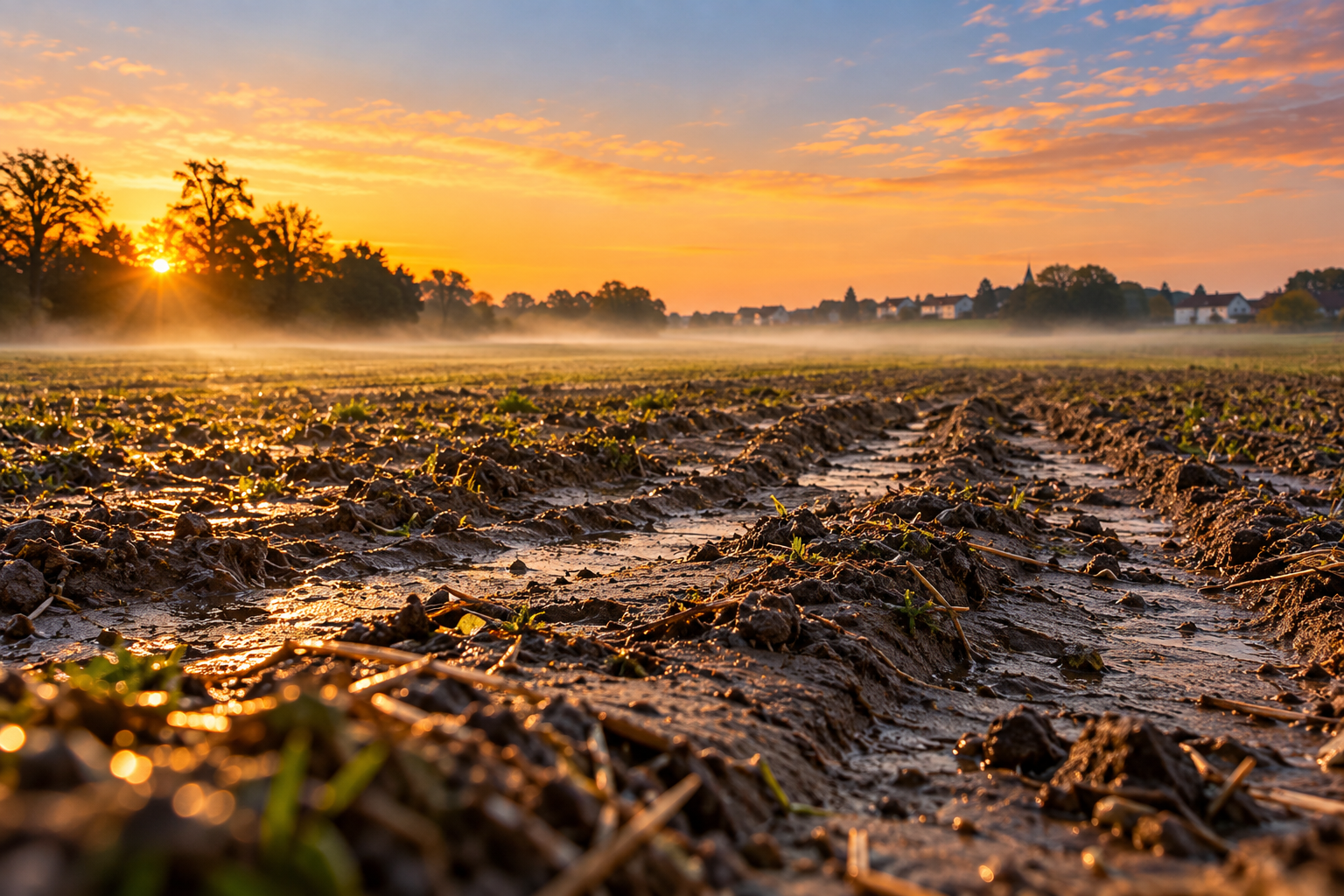
#48 · Oct 3–7 · 水始涸
Water leaves the fields
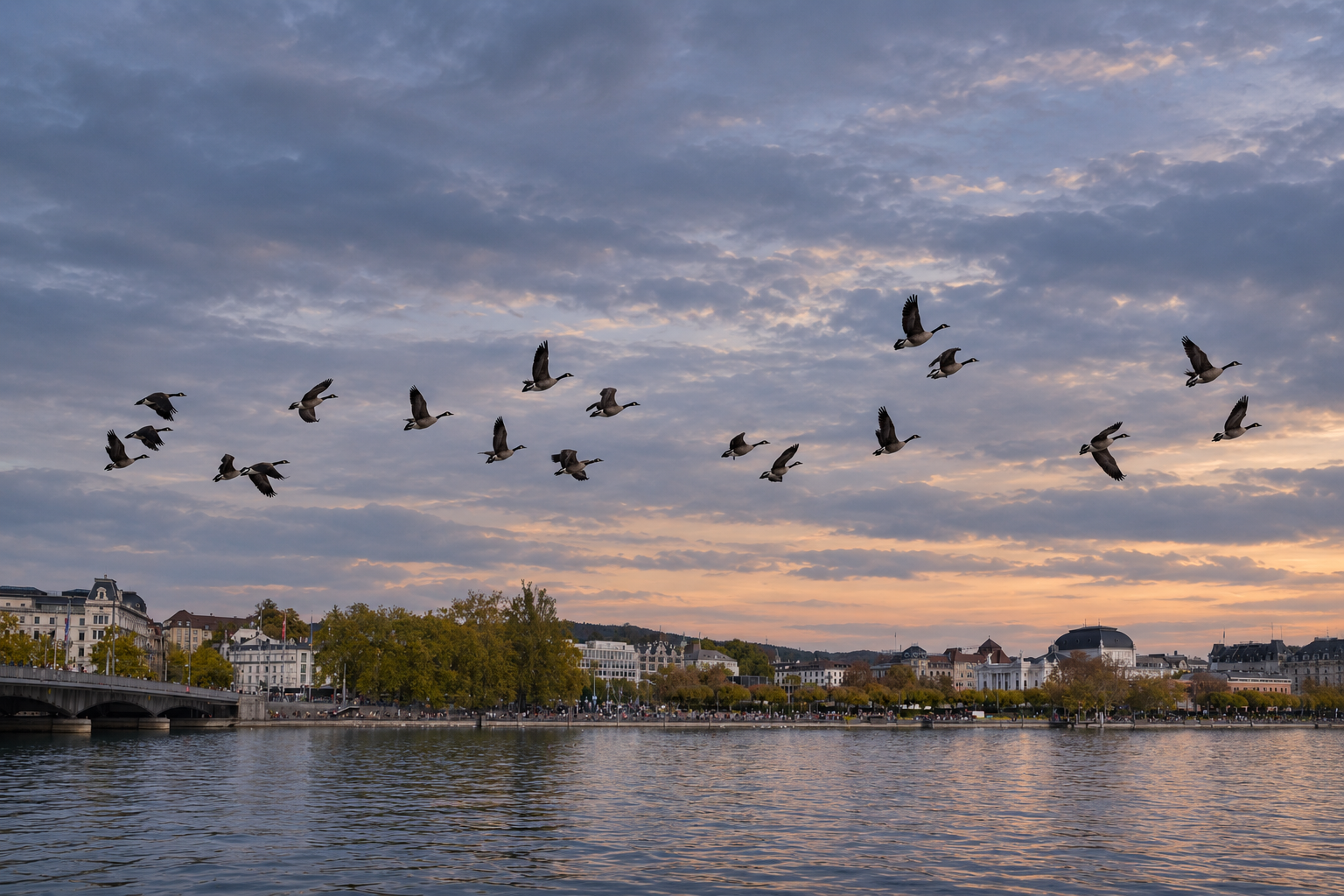
#49 · Oct 8–12 · 鴻雁来
Wild geese return
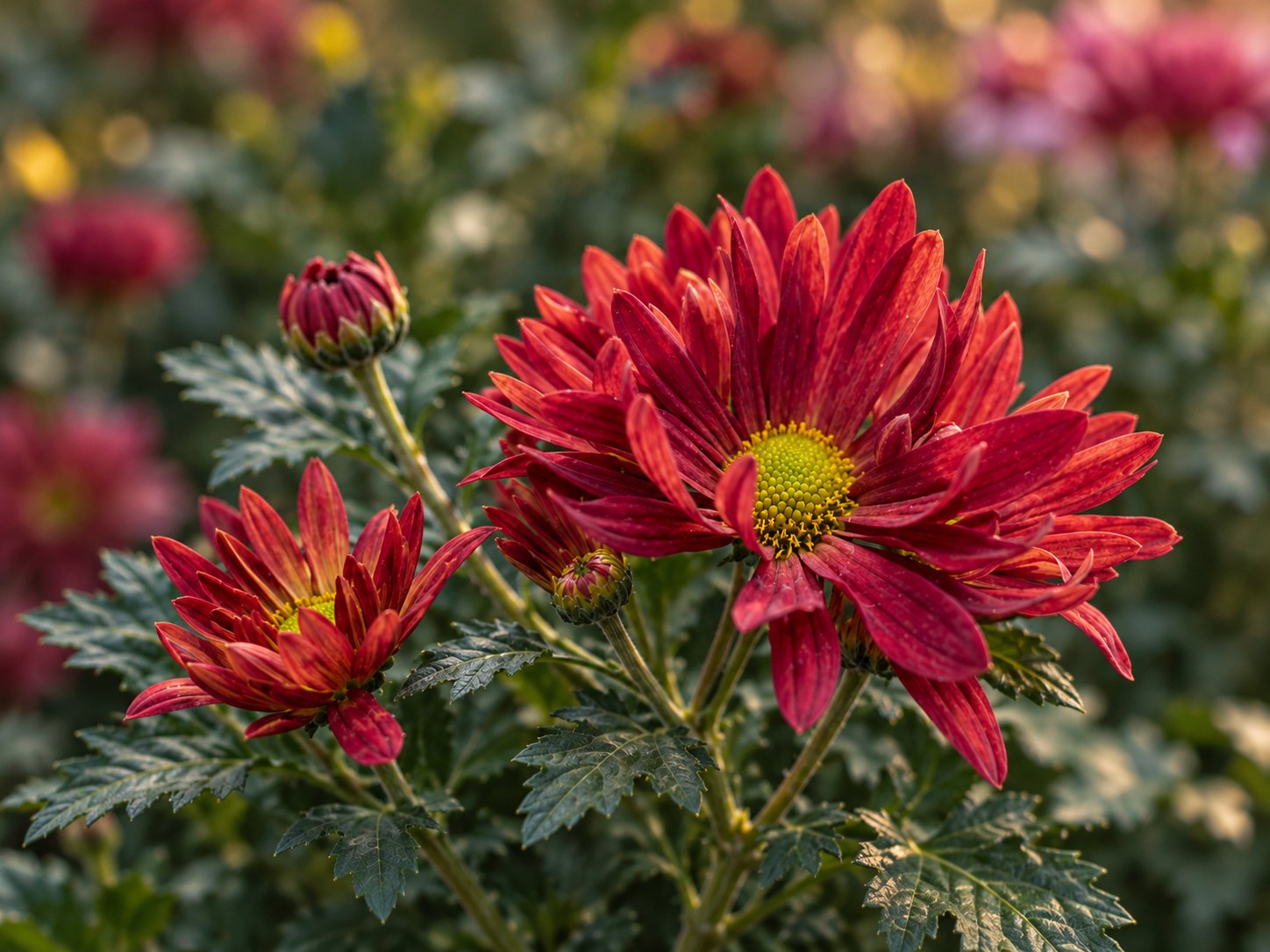
#50 · Oct 13–17 · 菊花開
Chrysanthemums open
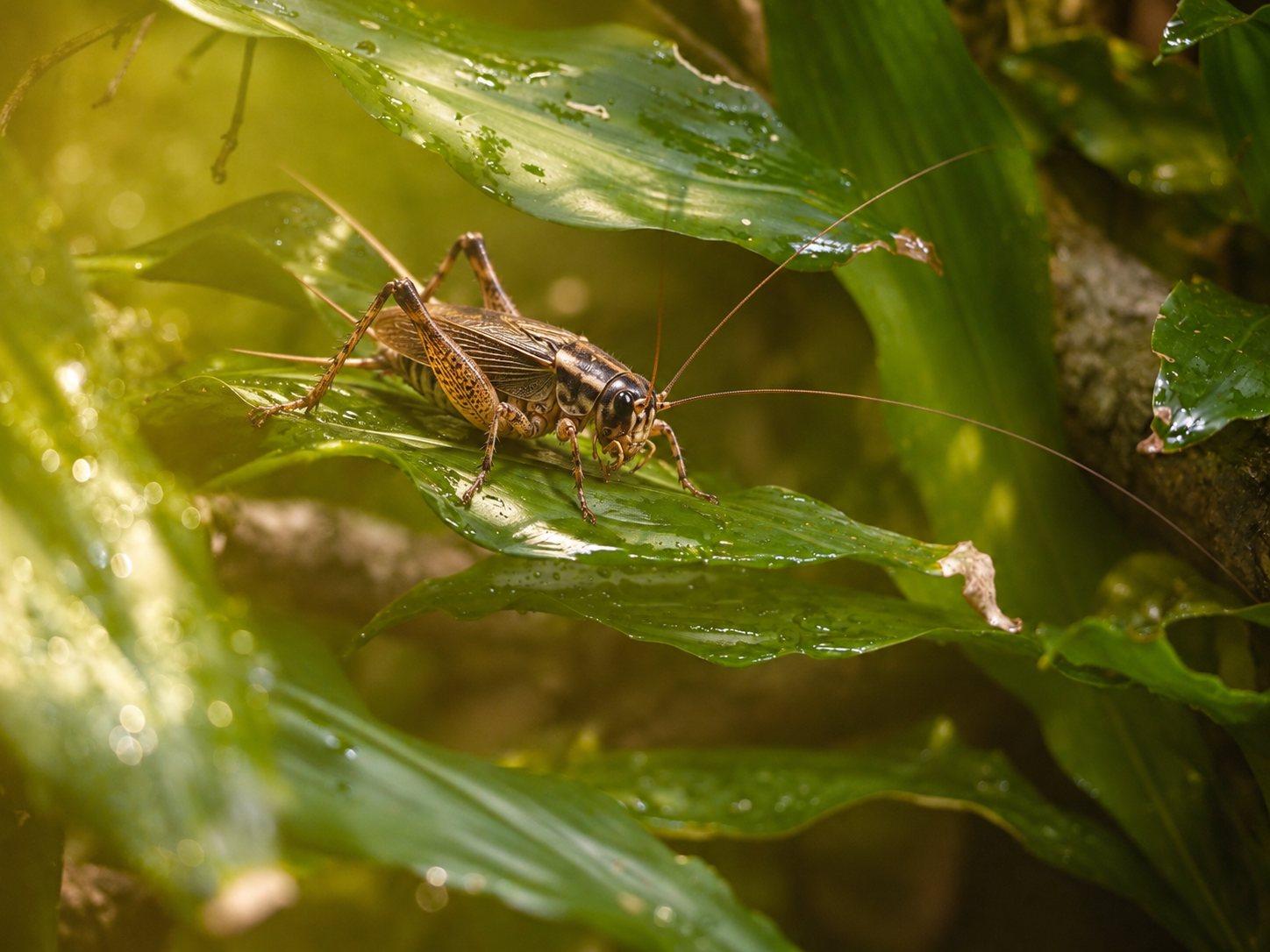
#51 · Oct 18–22 · 蟋蟀在戸
Crickets sing by the door
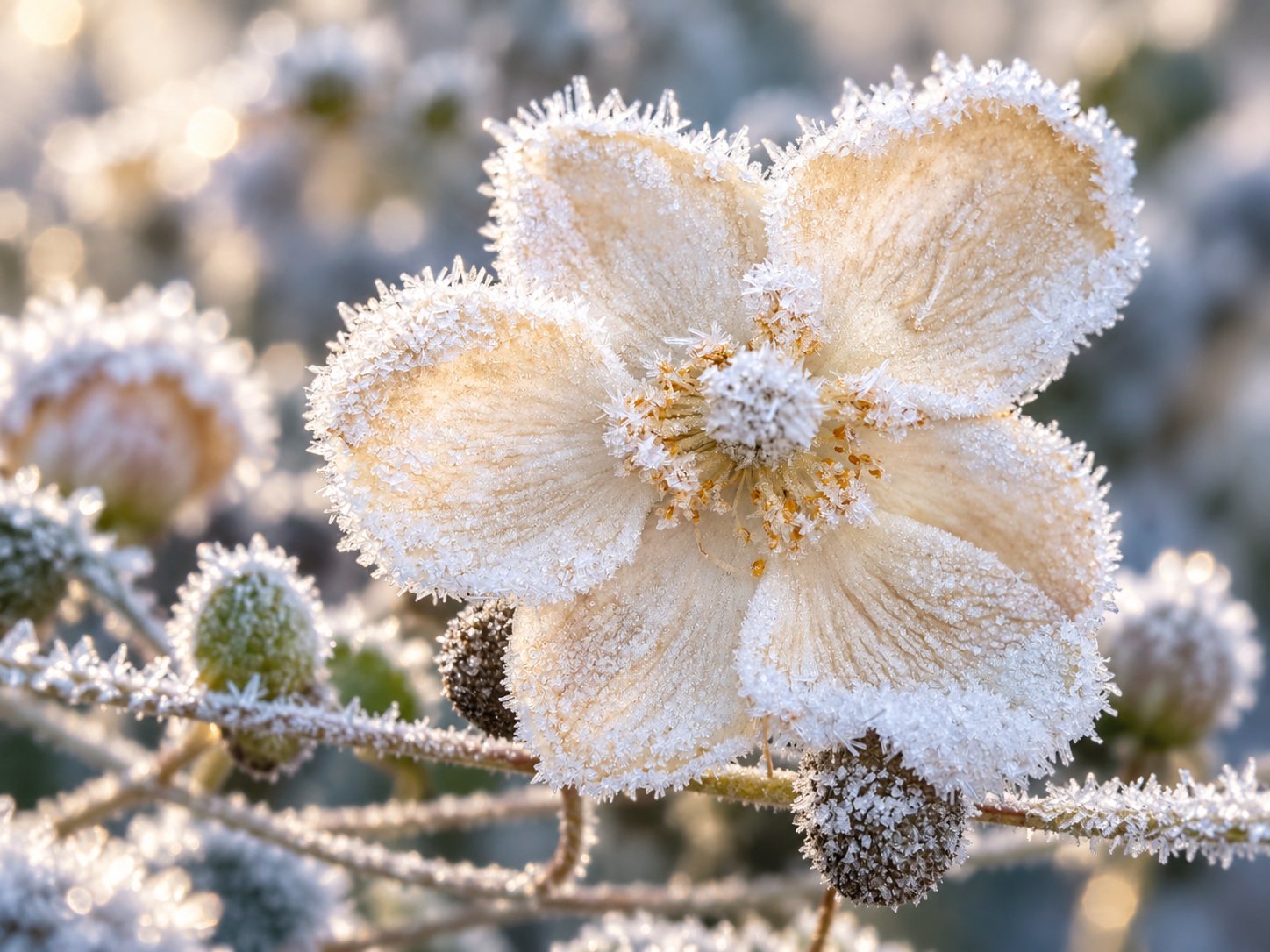
#52 · Oct 23–27 · 霜始降
The first frost arrives
#53 · Oct 28–Nov 1 · 霎時施
Fine rain comes and goes
#54 · Nov 2–6 · 楓蔦黄
Maple and ivy turn gold
#55 · Nov 7–11 · 山茶始開
Camellias open
#56 · Nov 12–16 · 地始凍
The earth begins to freeze
#57 · Nov 17–21 · 金盞香
Daffodils bloom
#58 · Nov 22–26 · 虹蔵不見
Rainbows disappear from the winter sky
#59 · Nov 27–Dec 1 · 朔風払葉
The north wind strips the trees
#60 · Dec 2–6 · 橘始黄
Tachibana citrus turns yellow
#61 · Dec 7–11 · 閉塞成冬
Winter closes in
#62 · Dec 12–16 · 熊蟄穴
Bears enter their dens
#63 · Dec 17–21 · 鱖魚群
Salmon gather upstream
#64 · Dec 22–26 · 乃東生
Self-heal returns
#65 · Dec 27–31 · 麋角解
Deer cast their antlers
#66 · Jan 1–4 · 雪下出麦
Wheat grows beneath the snow
#67 · Jan 5–9 · 芹乃栄
Water parsley flourishes
#68 · Jan 10–14 · 水泉動
Springs begin to stir
#69 · Jan 15–19 · 雉始雊
Pheasants begin to call
#70 · Jan 20–24 · 款冬華
Butterbur buds appear
#71 · Jan 25–29 · 水沢腹堅
Stream ice grows thick
#72 · Jan 30–Feb 3 · 鶏始乳
Hens begin to lay
Poetic & observational
A slower way of seeing seasonal change.
Photographed by Michael Gebert
72 personal photographic responses — not a documentary of Japan.
First physical edition
A freestanding tear-off calendar and collectible photographic object.
Crowdfunding 2027
Supporting the journey before all 72 seasons are complete.
Press & collaborations
Editorial, podcast, publishing and cultural enquiries welcome.